Because the best adventures are even better with your four-legged best friend.
For a lot of us, our dogs aren't just pets, they're part of the family. And when your family loves exploring the outdoors, it's only natural to want your four-legged adventure buddy tagging along.
But here's something every dog owner should know before planning a national park trip:
Not all national parks are equally dog-friendly.
While many national parks allow pets in campgrounds, parking areas and along certain paved roads, dogs are prohibited from most hiking trails at some of the country's most popular parks.
That can be a disappointing discovery when you've already planned a trip and imagined your pup hiking alongside you.
The good news? There are some fantastic national parks where dogs aren't limited to hanging around the campground. They can actually hit the trail with you.
So, in honor of National Dog Day, we're sharing some of the best national parks to explore with your pup, plus a few things every dog owner should know before those paws hit the trail.,
A quick note before you go: National park pet policies can vary by trail, season and area of the park. Always check the individual park's current National Park Service pet regulations before your trip.
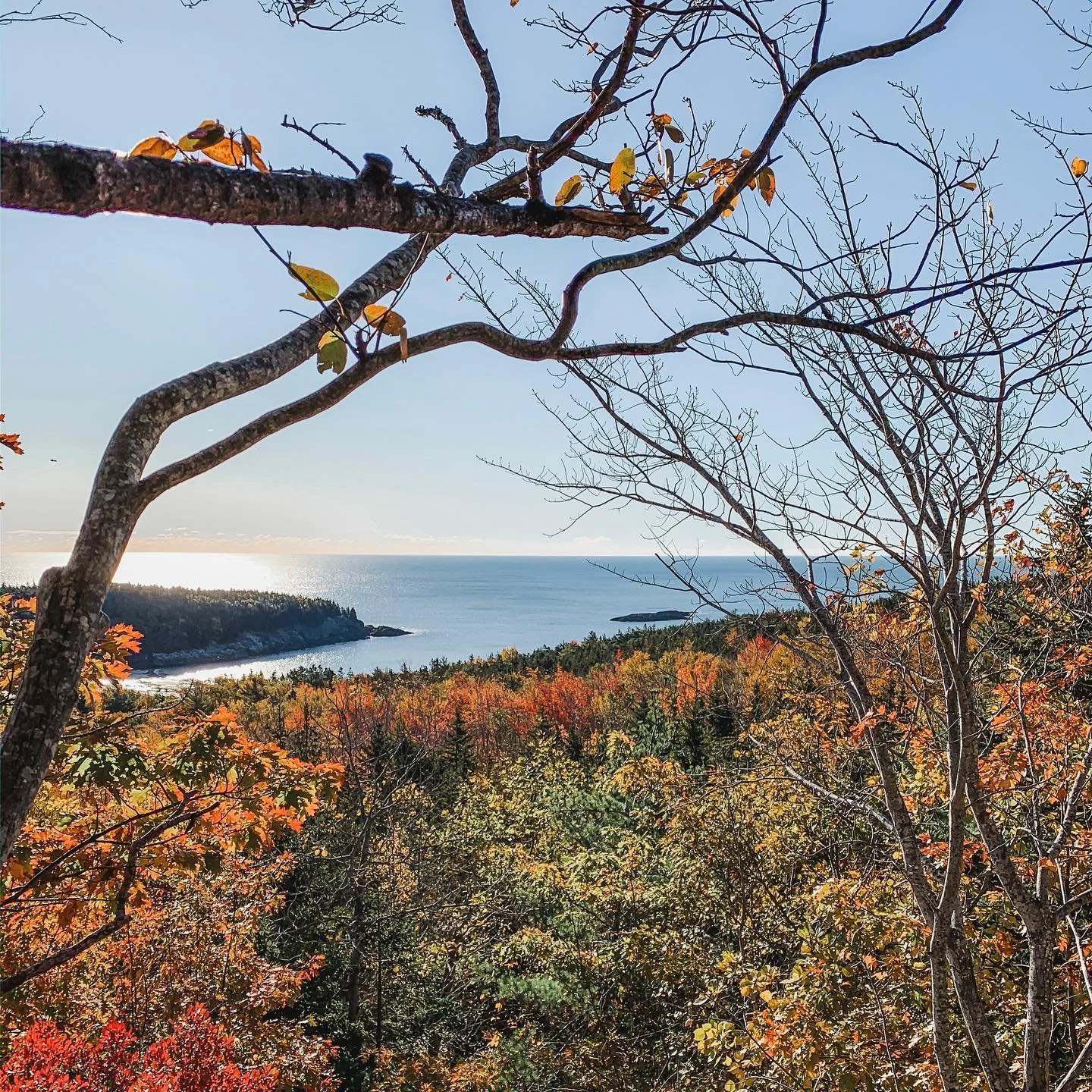
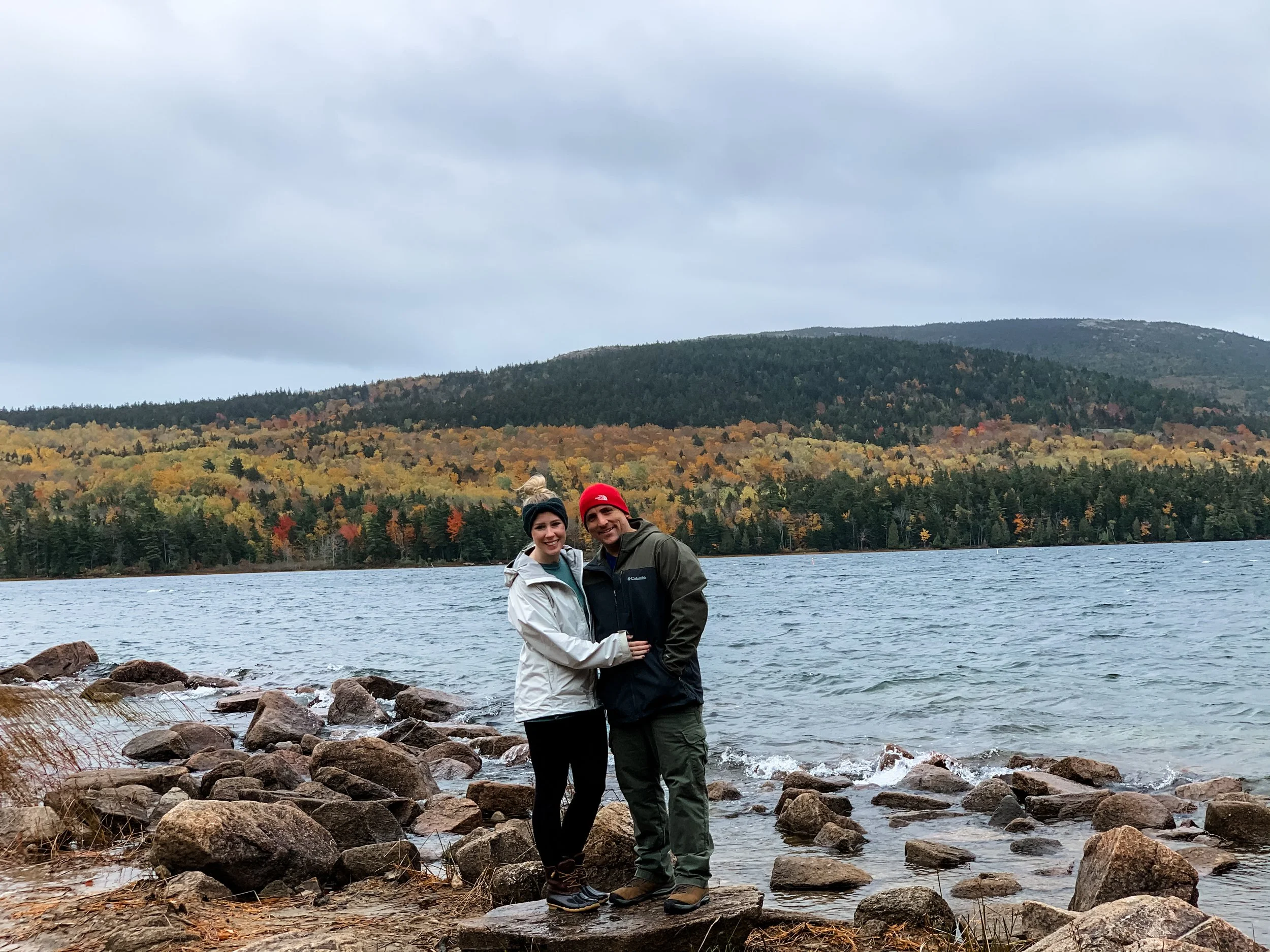
1. Acadia National Park, Maine
If we were making a bucket list specifically for dogs who love to hike, Acadia National Park would be near the very top.
Acadia has approximately 100 miles of hiking trails and 45 miles of historic carriage roads where pets are permitted, giving you plenty of options to explore together.
The carriage roads are especially great if you want a more relaxed adventure with your pup. They wind through forests, around lakes and across Acadia's beautiful stone bridges.
There are still some important restrictions. Acadia's famous ladder-and-rung trails aren't appropriate for dogs, and pets are prohibited on trails such as Precipice, Beehive, Ladder Trail to Dorr Mountain, Beech Cliffs and Jordan Cliffs. There are also seasonal pet restrictions at Sand Beach and Echo Lake.
Why we love it for dogs: There are enough dog-friendly trails here that bringing your pup doesn't feel like an afterthought. You can actually build a good portion of your Acadia itinerary around adventures you can do together.
Know before you go: Skip the ladder-and-rung routes, pack plenty of water and check your pup for ticks after hiking.
2. Shenandoah National Park, Virginia
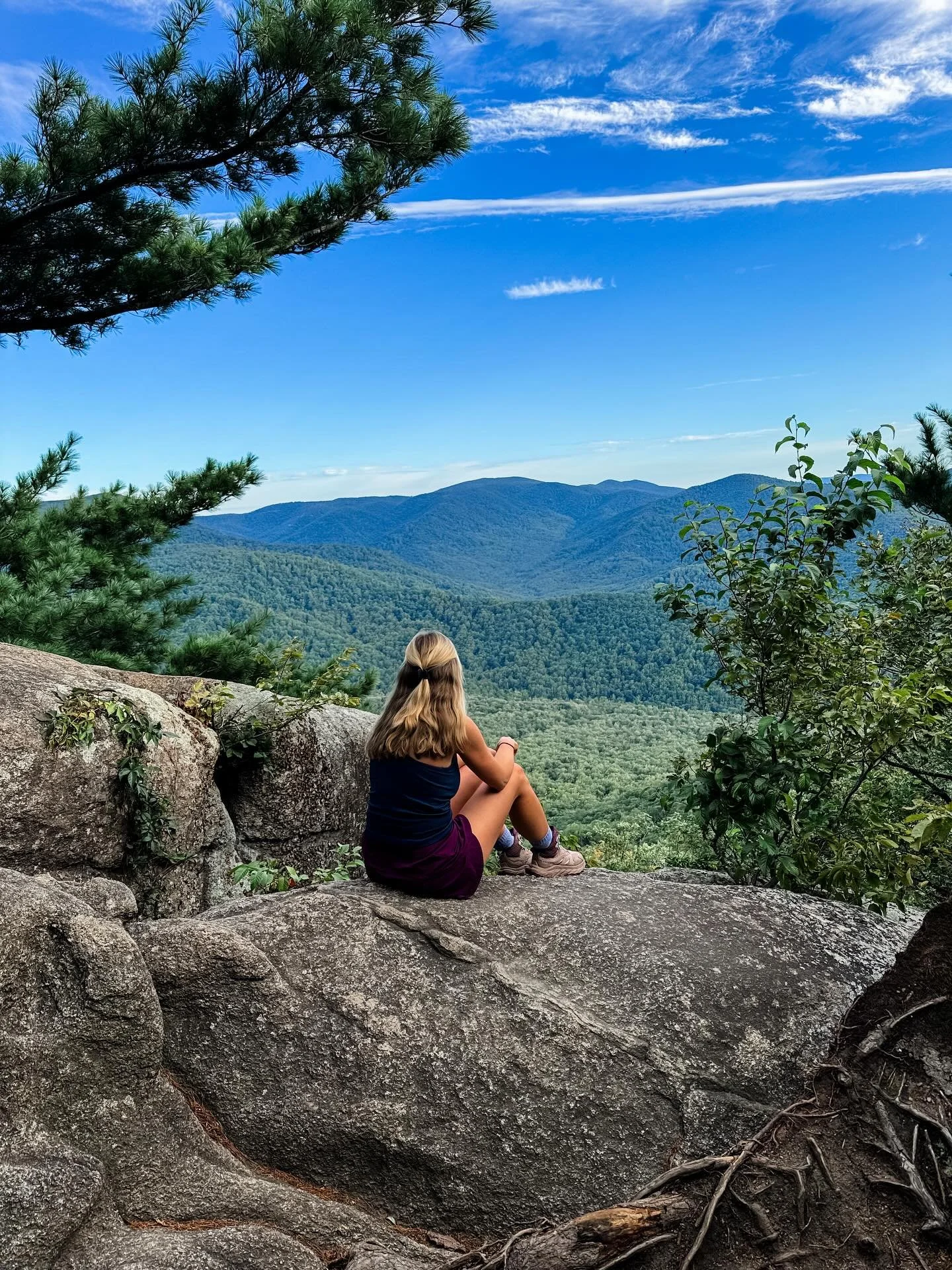
If your dog hears the word "hike" and immediately heads for the door, Shenandoah National Park needs to be on your list.
The park has more than 500 miles of hiking trails, and fewer than 20 miles are closed to pets. That means dogs can accompany you on the vast majority of Shenandoah's trail system as long as they follow park leash requirements.
With forested trails, mountain scenery and miles of hiking along and near Skyline Drive, this is one of the easiest national parks for planning an outdoor-focused trip that includes your dog.
There are a few popular places where pets cannot go, including Dark Hollow Falls Trail, Bearfence Mountain Trail and portions of the Old Rag area, so you'll still want to research your exact route before heading out.
Why we love it for dogs: When more than 500 miles of trails exist and only a small portion are off-limits, you have a LOT of choices.
Know before you go: Shenandoah is home to plenty of wildlife. Keep your dog under control, carry food and water, and never leave your pet in the car. The park also recommends checking hot surfaces before allowing your dog to walk on them.

3. New River Gorge National Park & Preserve, West Virginia
Here's one that earns some serious bonus points from dog owners:
Pets are allowed on ALL trails at New River Gorge National Park & Preserve.
That's a pretty big deal in the national park world.
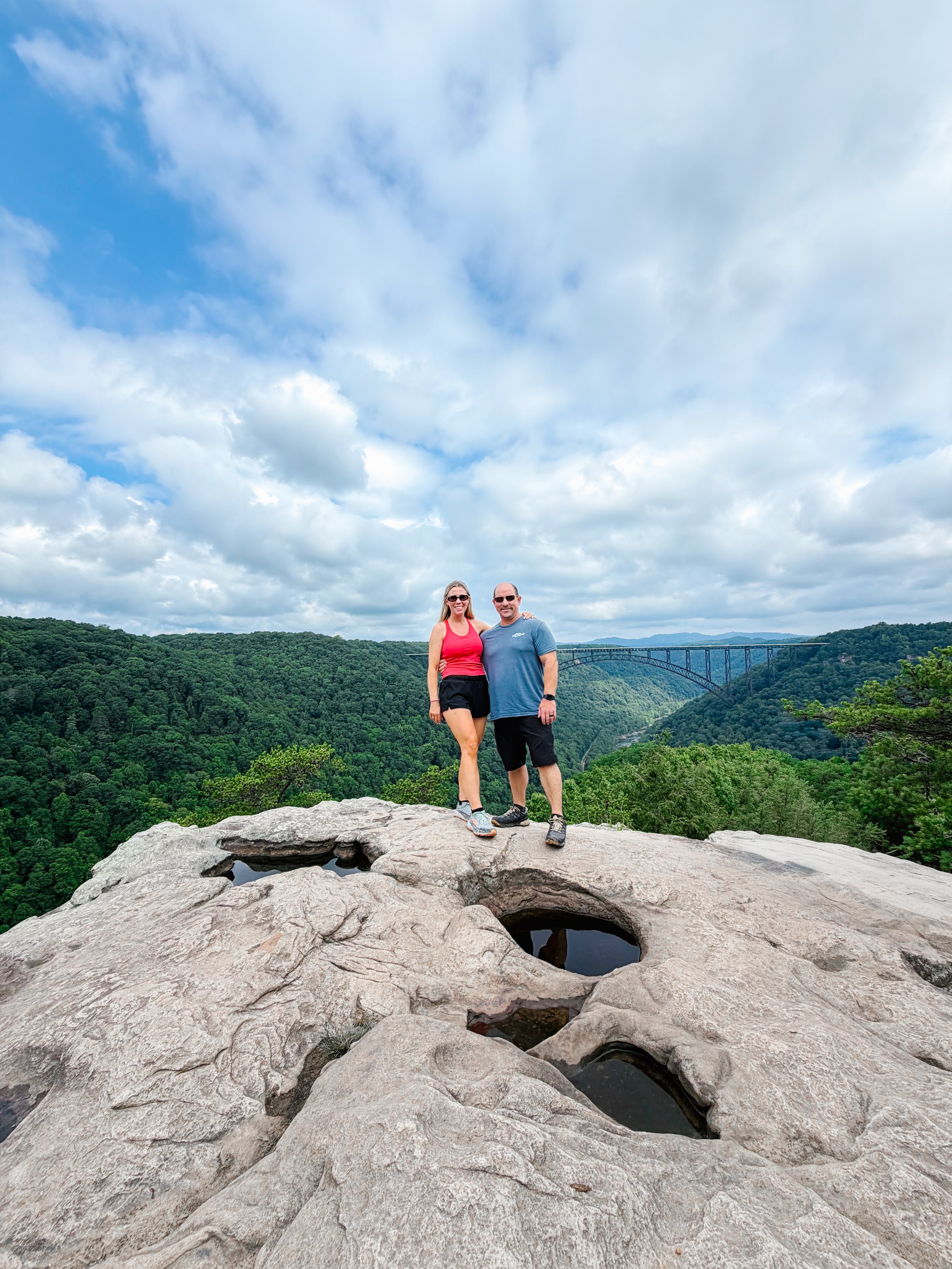
New River Gorge is filled with forested trails, overlooks, waterfalls and views of the famous New River Gorge Bridge. Instead of constantly checking whether your dog is allowed on the next trail you want to hike, you have much more freedom to explore the park together.
Dogs must remain on a physical leash no longer than six feet, and pets aren't allowed inside park buildings or visitor centers. Owners are also required to pick up and properly dispose of pet waste.
Why we love it for dogs: This might be one of the easiest parks on this list to plan around your pup because the entire trail system is open to pets.
Know before you go: Don't confuse "dogs are allowed everywhere on the trails" with "dogs can roam freely." Your pup still needs to stay leashed and under control.
4. Cuyahoga Valley National Park, Ohio
Cuyahoga Valley is already an underrated national park, and traveling with a dog gives us one more reason to love it.
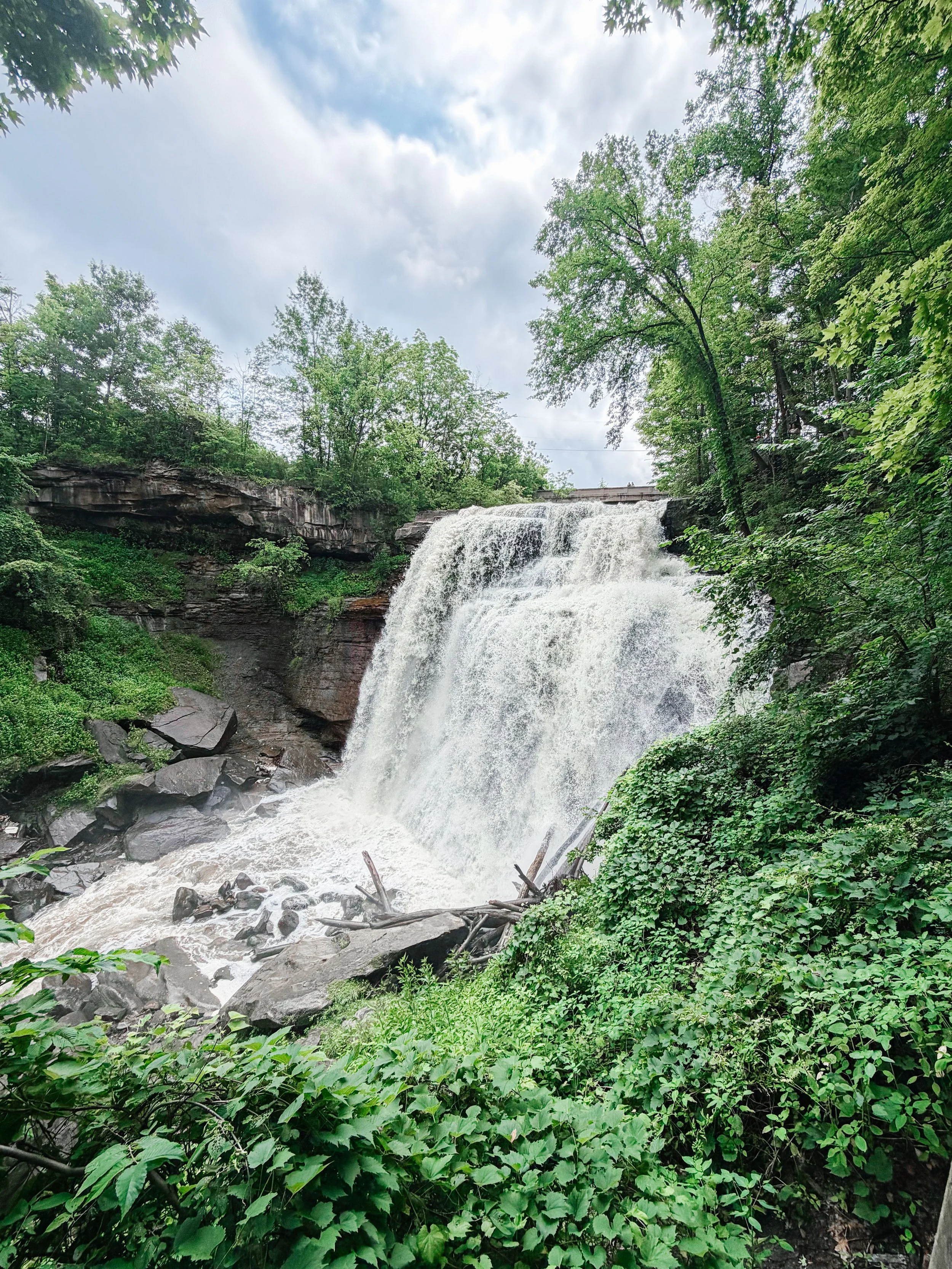
Located between Cleveland and Akron, this park offers wooded trails, waterfalls, rolling hills and the historic Ohio & Erie Canal Towpath Trail. It's a great option for travelers who want national park hiking without heading deep into remote wilderness.
There are plenty of places to explore with a leashed dog, making this an especially nice park for pups that are comfortable walking longer distances.
Why we love it for dogs: You can combine beautiful wooded hiking with easier walking options, giving you flexibility based on your dog's age and ability.
Know before you go: Keep your dog on trail and watch for hazards like ticks, poison ivy and wildlife. Bring enough water for both you and your pup, especially during warmer weather
5. Petrified Forest National Park, Arizona
This one might surprise you!
Petrified Forest National Park is incredibly welcoming to pets.
Leashed pets are allowed on paved roads and trails as well as in the park's designated wilderness areas. The park even has a fenced Bark Park near the Painted Desert Visitor Center, with separate areas for large and small dogs.
That means your pup can join you while you experience the colorful badlands, desert landscapes and petrified wood that make this park so unique.
Petrified Forest also offers a BARK Ranger program. You can ask about the program at an entrance booth or visitor center, learn the park's pet rules and let your four-legged traveler officially join in on the national park fun.
Why we love it for dogs: Your dog can explore far beyond the parking lot, and having a Bark Park inside a national park is a pretty fun bonus.
Know before you go: This is the desert. Heat can become dangerous quickly, especially on exposed trails and pavement. Never leave your pet unattended in your vehicle.
6. Congaree National Park, South Carolina
If you're looking for another park where you won't have to constantly ask, "Can the dog go on this trail?" add Congaree National Park to your list.
Pets are allowed on all of Congaree's trails, including the park's boardwalk, and in its campgrounds.
The Boardwalk Trail is an especially fun way to experience the park's old-growth bottomland hardwood forest. The full boardwalk loop is about 2.6 miles and takes you through an ecosystem that feels completely different from many other national parks.
Why we love it for dogs: Every trail is an option, and the relatively flat terrain gives you choices that aren't all strenuous mountain hikes.
Know before you go: South Carolina heat and humidity are no joke. Bring plenty of water for your dog, watch for snakes and check your pup thoroughly for ticks after your hike. Dogs must remain on a leash no longer than six feet.
BONUS: Great Sand Dunes National Park & Preserve, Colorado
We're giving Great Sand Dunes a bonus spot because exploring the dunes with your dog can be an incredible experience, but this park comes with an important warning.
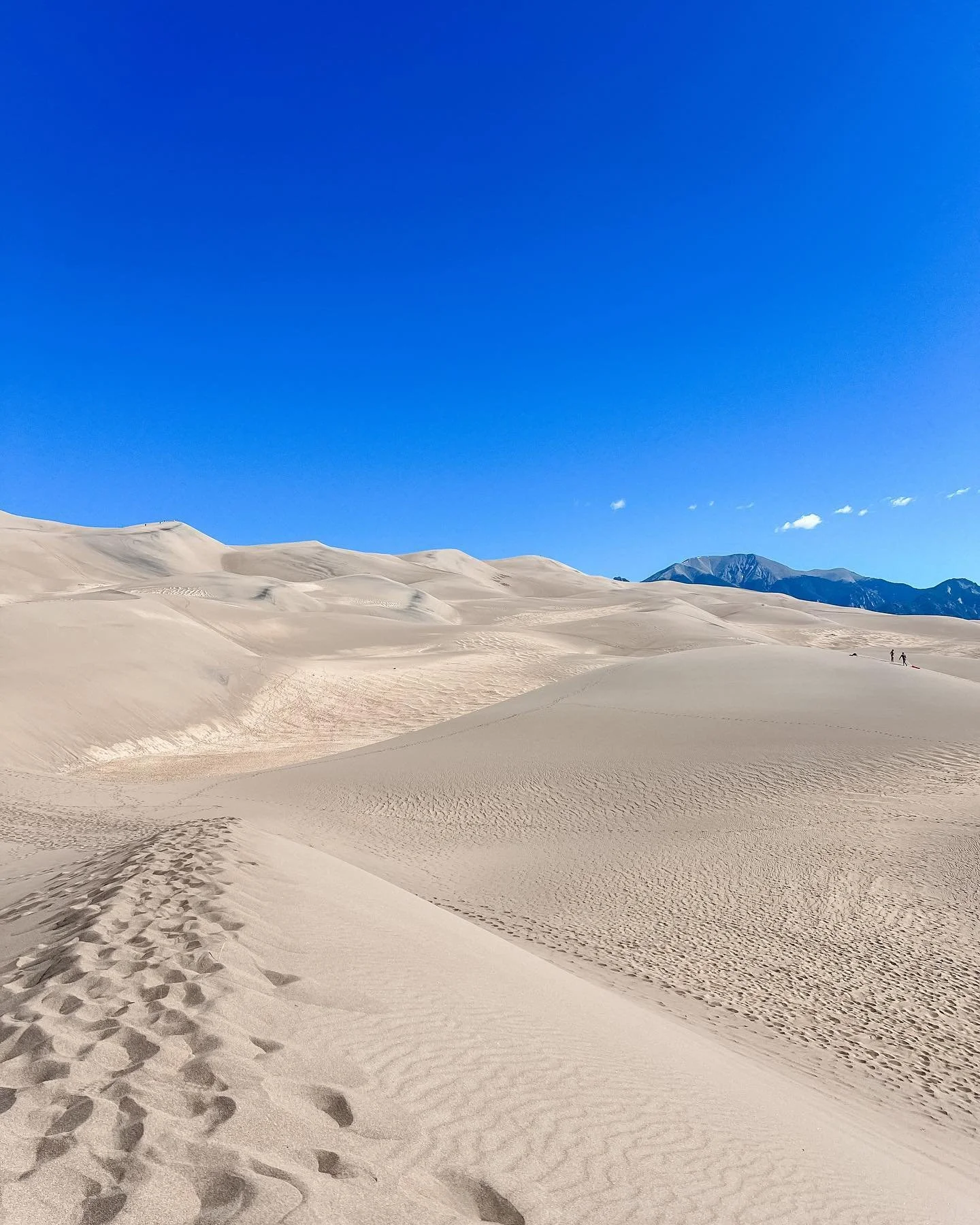
Pets are permitted in portions of the national park and preserve, including the main day-use area of the dunefield, but there are areas where they are prohibited. You'll want to check the park's current pet map before choosing your route.
And if you're visiting during summer, pay very close attention to the sand temperature.
Sand surface temperatures can reach around 150°F during summer afternoons, creating a serious burn risk for paws. The National Park Service recommends taking pets onto the dunes in the early morning or evening during the summer.
Why we love it for dogs: How often does your dog get to climb the tallest dunes in North America with you?
Know before you go: Paw safety comes first. If the sand is too hot for your hand, it's too hot for your dog's paws.
Before You Hit the Trail With Your Dog
Taking your dog hiking requires a little more planning than simply clipping on a leash and heading out.
Here are a few things we recommend thinking about before your adventure:
Pack More Water Than You Think You'll Need
Don't assume there will be safe water for your dog along the trail. Carry enough for both of you and bring a lightweight collapsible bowl.
Protect Those Paws
Hot pavement, desert sand, sharp rocks and rough terrain can all cause paw injuries.
Check the ground temperature before you hike and consider dog booties if your pup is comfortable wearing them.
Keep Them Leashed
Even if your dog has excellent recall, national parks are home to wildlife, and your dog is the visitor.
Keeping your pup leashed protects wildlife, other visitors and your dog.
Give Wildlife Plenty of Space
That squirrel, deer, elk or bear is not your dog's new friend.
Never allow your dog to chase, approach or harass wildlife. If an animal changes its behavior because of you or your dog, you're too close.
Pack It In. Pack It Out.
Yes, this includes the poop bag.
Bag your dog's waste and carry it until you reach an appropriate trash receptacle. Please don't leave filled bags sitting alongside the trail with plans to "grab them on the way back."
Do a Post-Hike Tick Check
Check your dog's paws, ears, legs, belly and coat after your hike, especially when traveling through wooded or grassy areas.
Know Your Dog's Limits
Your dog doesn't need to hike 10 miles just because you can.
Consider your dog's age, breed, fitness level, experience and the weather when choosing a trail. Start with shorter hikes and build from there.
And remember that your dog can't tell you they're overheating or exhausted until the problem may already be serious.
Have an Emergency Plan
What would you do if your 60-pound dog couldn't walk back to the trailhead?
It's not fun to think about, but it's worth considering before longer or more remote hikes. Carry basic pet first-aid supplies and know where the closest emergency veterinarian is located.
Never Leave Your Dog in the Car
Temperatures inside a vehicle can become dangerous incredibly quickly.
If your itinerary includes activities where pets aren't allowed, make arrangements for your dog rather than leaving them unattended in the vehicle.
Check the Park's Rules BEFORE Your Trip
This might be the most important tip on this list.
Dog-friendly doesn't mean dogs are allowed everywhere.
Rules can vary from one trail to another, and certain areas may have seasonal restrictions. Check the park's official National Park Service website shortly before your visit so you know exactly where your dog can, and can't go.



Make Your Pup a B.A.R.K. Ranger!
If your family already loves collecting Junior Ranger badges, here's one for your four-legged family member.
Many National Park Service sites participate in the B.A.R.K. Ranger program, which encourages visitors to explore responsibly with their pets.
Remember B.A.R.K.:
B — Bag your pet's waste
Pick it up and properly dispose of it.
A — Always leash your pet
Keep your dog safely under your control.
R — Respect wildlife
Give wild animals the space they need.
K — Know where you can go
Research pet-friendly trails and areas before your visit.
The exact BARK Ranger experience varies by park, but some participating parks offer activities, certificates or even special tags.
It's a fun way to include your dog in your family's national park adventures while teaching responsible pet ownership at the same time.
Your Best Hiking Buddy Has Four Legs
There's something pretty special about experiencing a trail with your dog.
They don't care how famous the viewpoint is. They don't care whether the trail is Instagram-worthy. They're just thrilled to be outside, sniffing every tree, exploring somewhere new and spending the day with their favorite people.
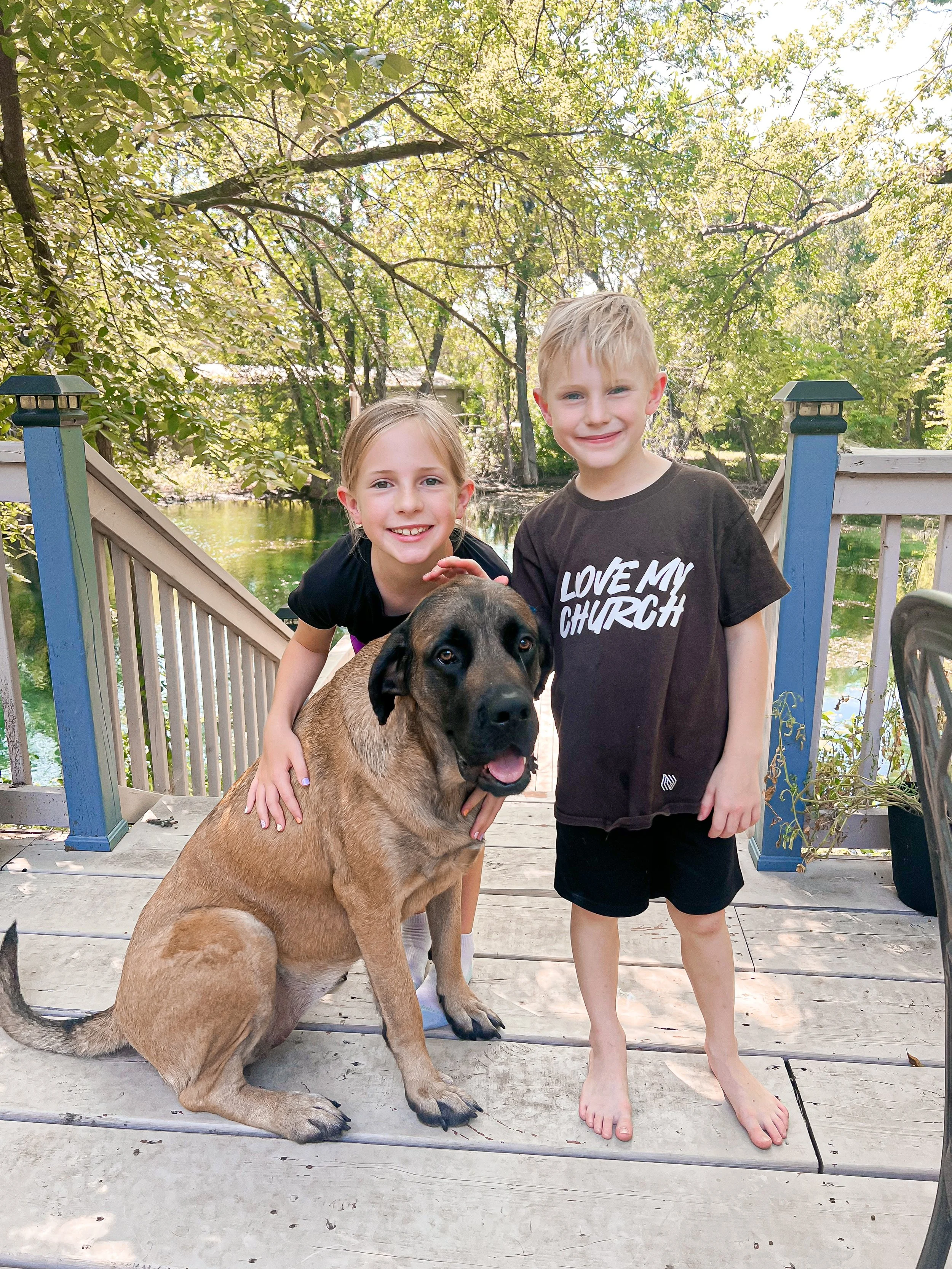
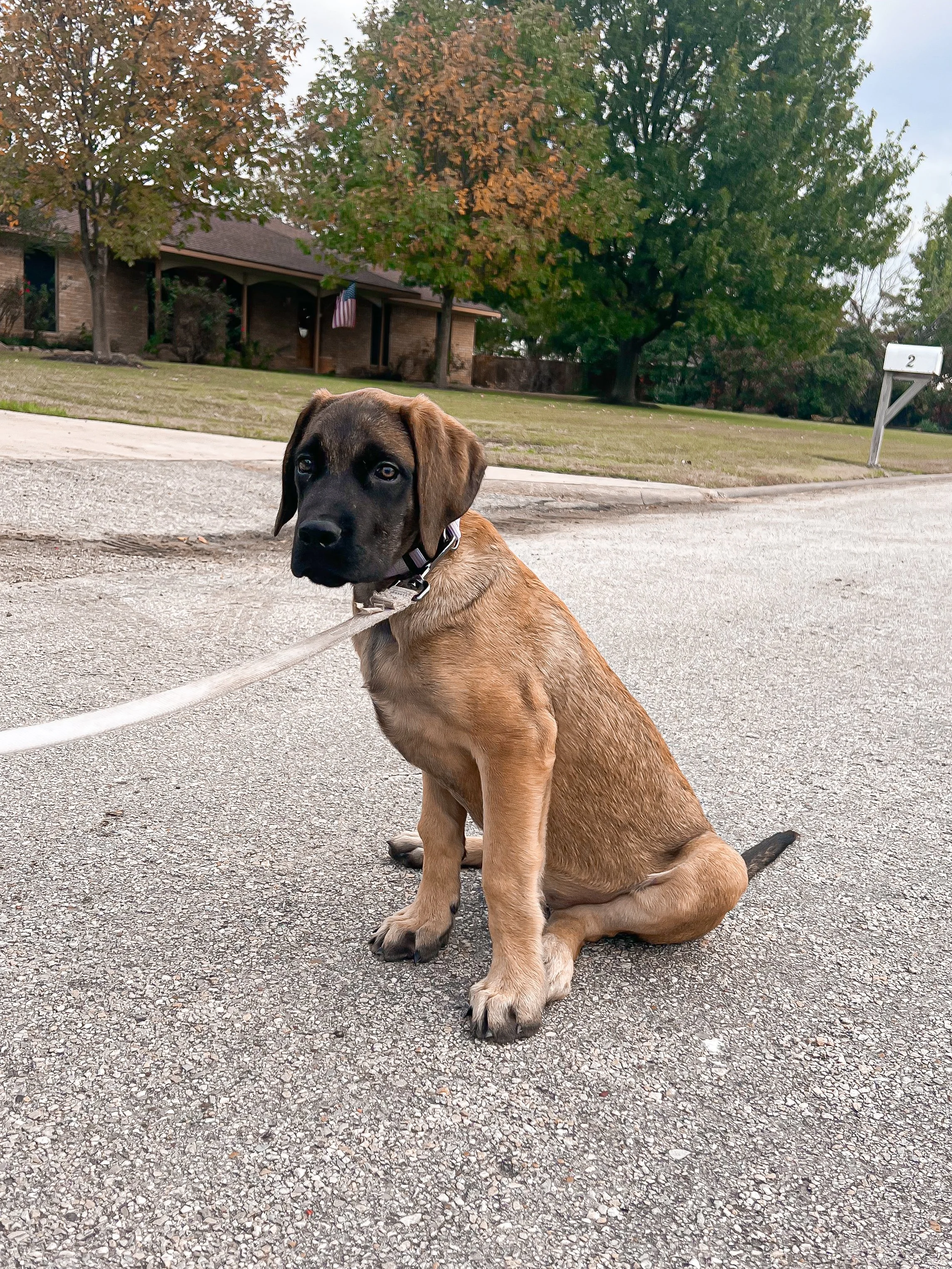
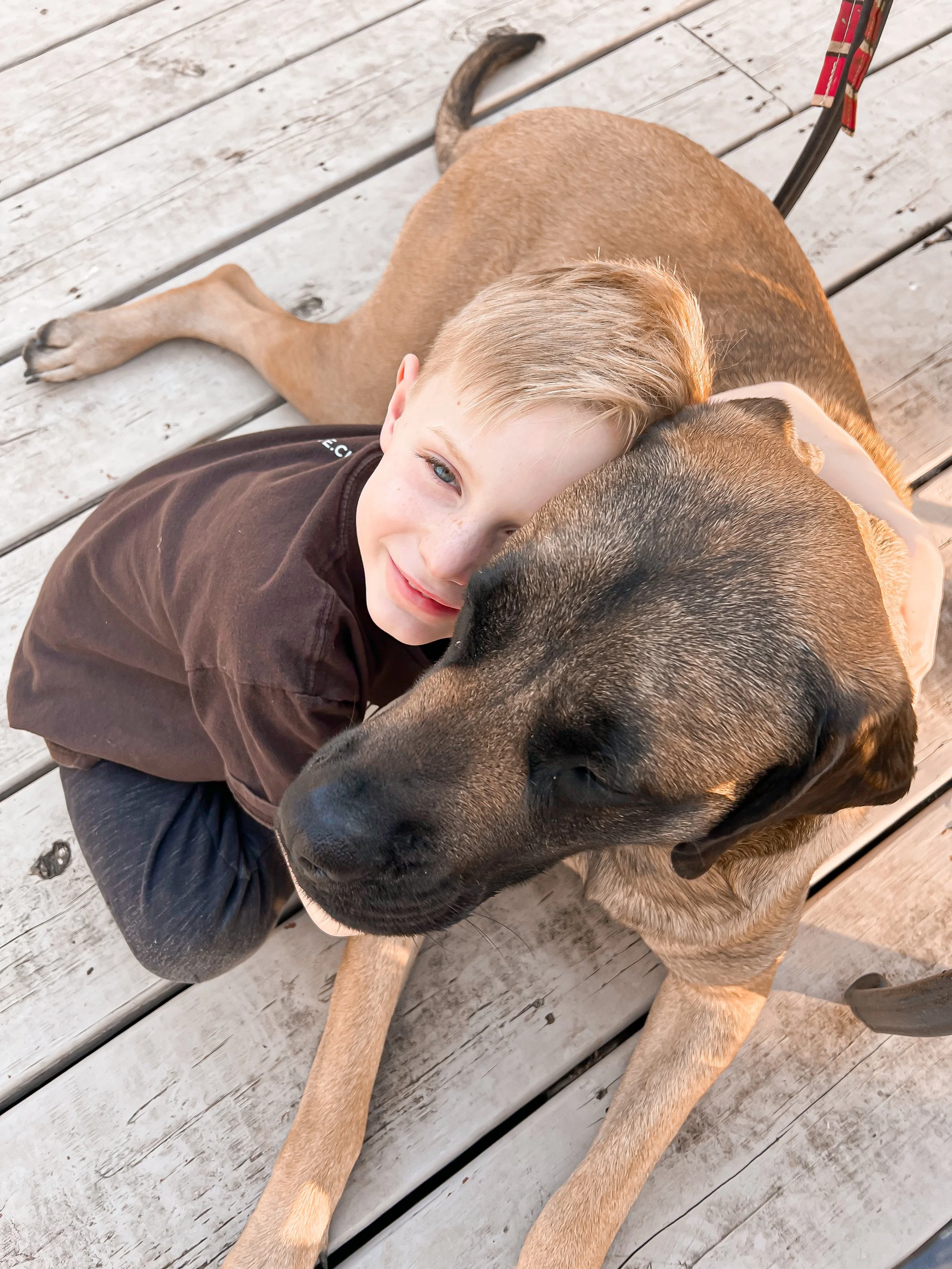
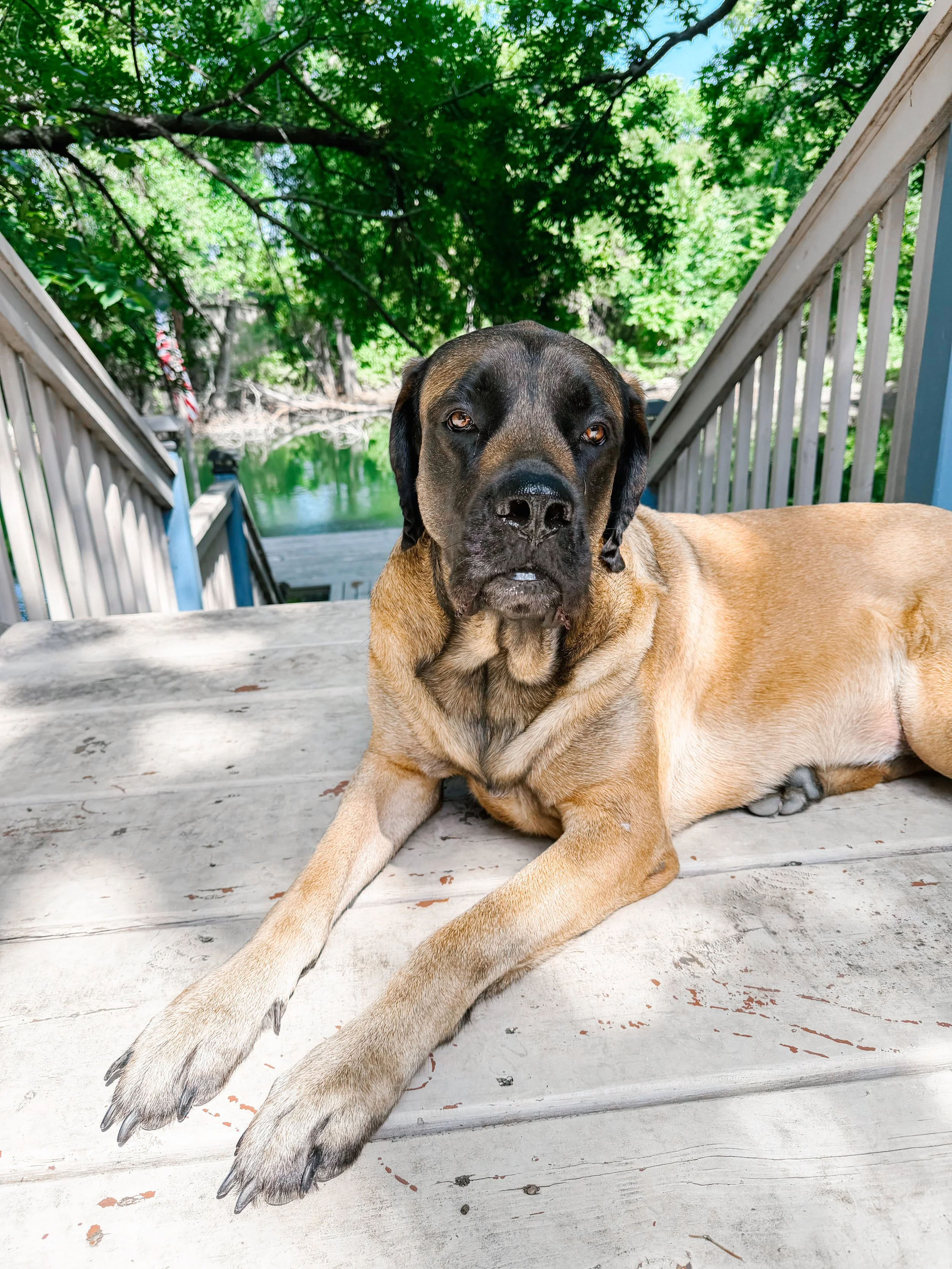
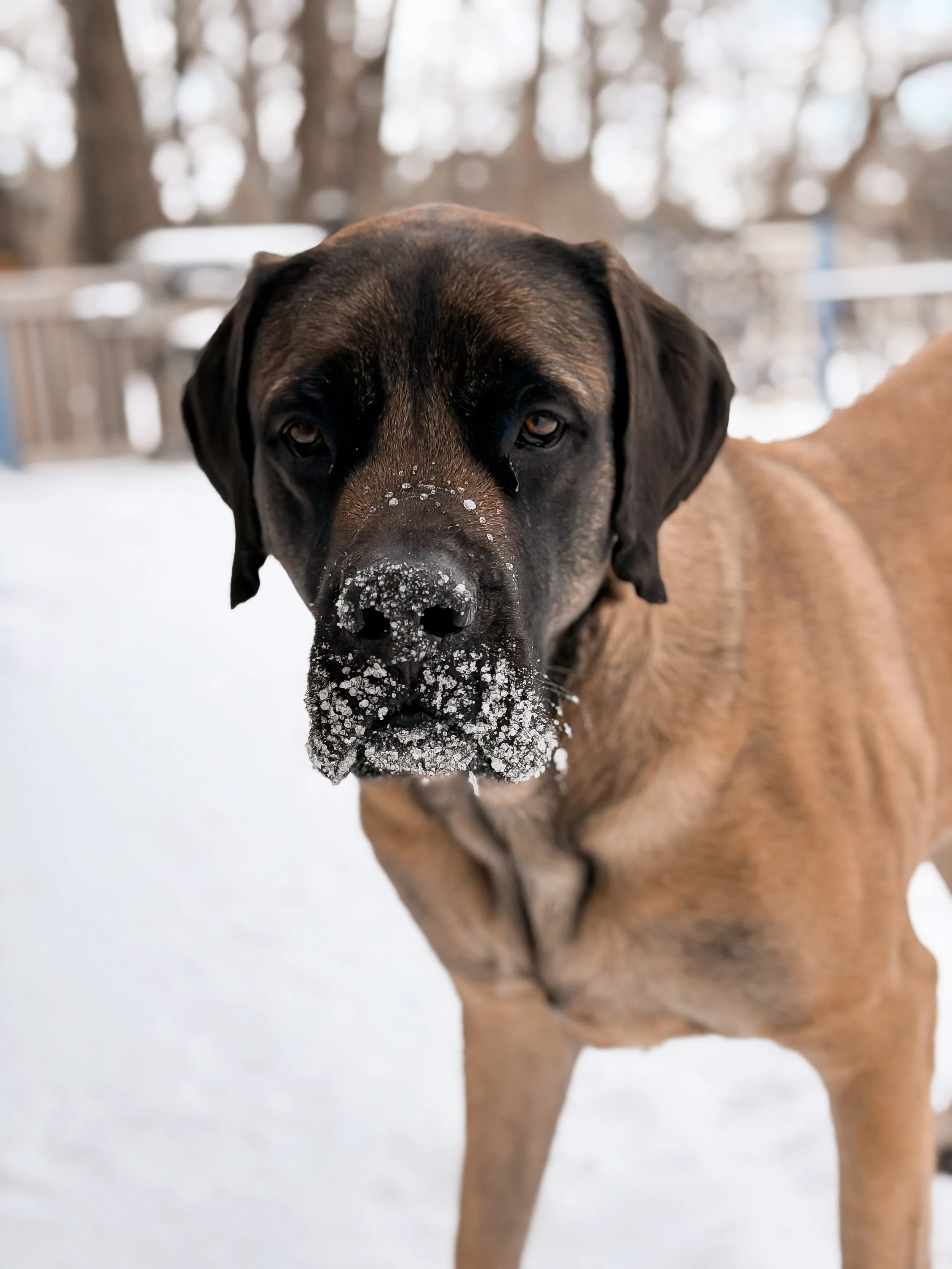
And we couldn't write an entire post about four-legged adventure buddies without mentioning our own—Moose, our English Mastiff.
Now, Moose probably isn't joining us for a 10-mile mountain hike anytime soon. She's much more of a short walk, long nap kind of adventurer. But she's every bit a part of our family, and she's always one of the hardest ones to leave behind when we travel.
Whether your dog is ready to tackle miles of trails or would rather enjoy a leisurely stroll and then claim the best spot for an afternoon nap, there's something special about finding adventures where they can be included in the memories, too.
Because sometimes, the best miles are the ones traveled with four paws beside you.
So pack the leash, fill the water bottles, grab the poop bags and start planning an adventure you can experience together.
Have you taken your dog to a national park? We'd love to know which park gets your vote for the most dog-friendly!
And if you're ready to plan a national park vacation but aren't sure where to start, Memories for Miles Travel can help you build an adventure that works for your whole family—even the four-legged members.
Where Every Mile Tells a Story.