

Family Tested National Park Essentials
What We Never Leave Home Without
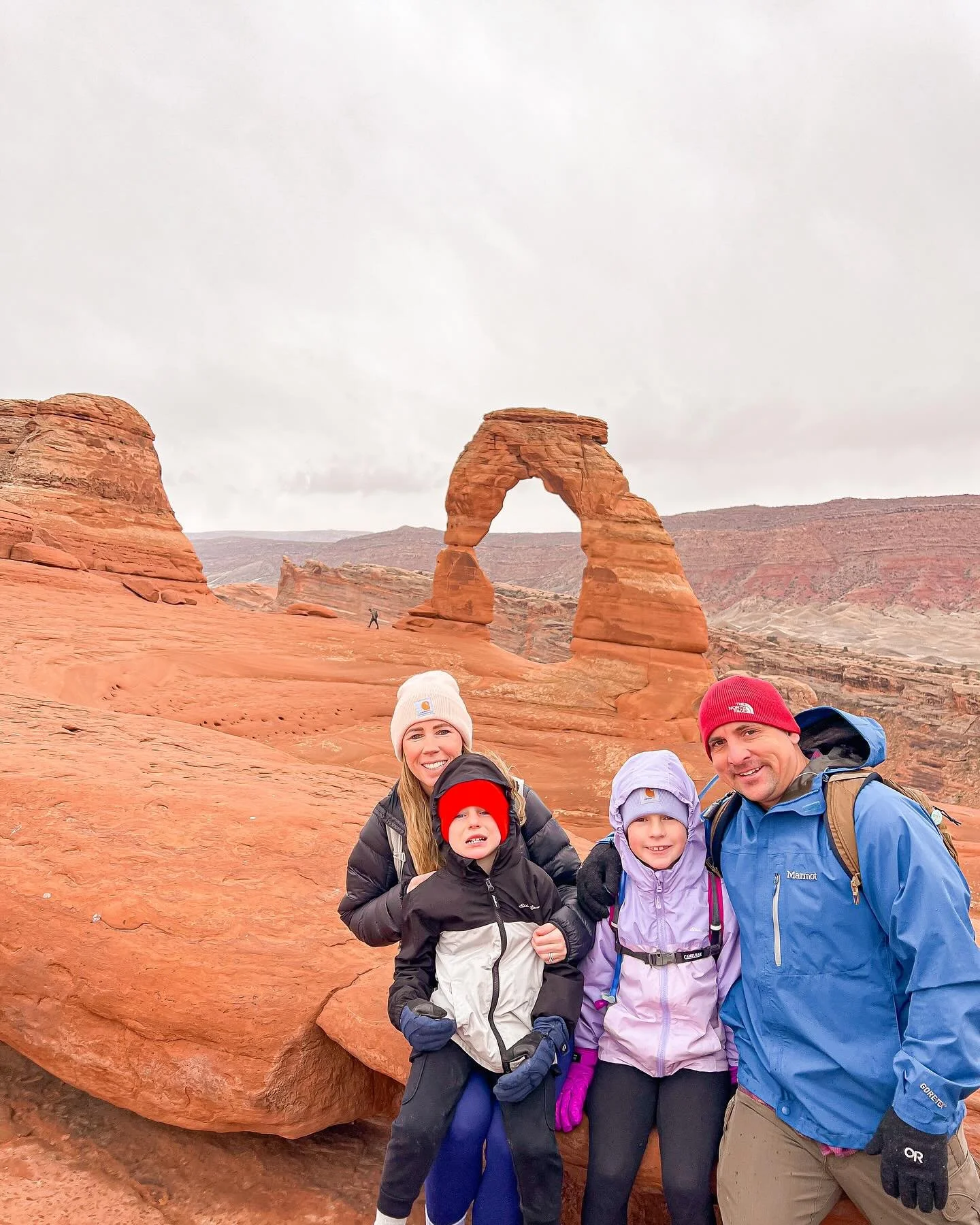
After visiting more than 35 of America's 63 national parks as a family, we've learned that the right gear can make the difference between an amazing adventure and a stressful day on the trail.
Whether you're planning your first national park road trip or you're a seasoned explorer, having the essentials packed and ready helps you spend less time worrying about logistics and more time enjoying incredible landscapes, wildlife sightings, and unforgettable family memories.
Below are the national park trip essentials that have earned a permanent place on our packing list.
Travel & Planning Essentials
Before you hit the trail, make sure you have the basics covered. These items help keep your trip running smoothly from arrival to departure.
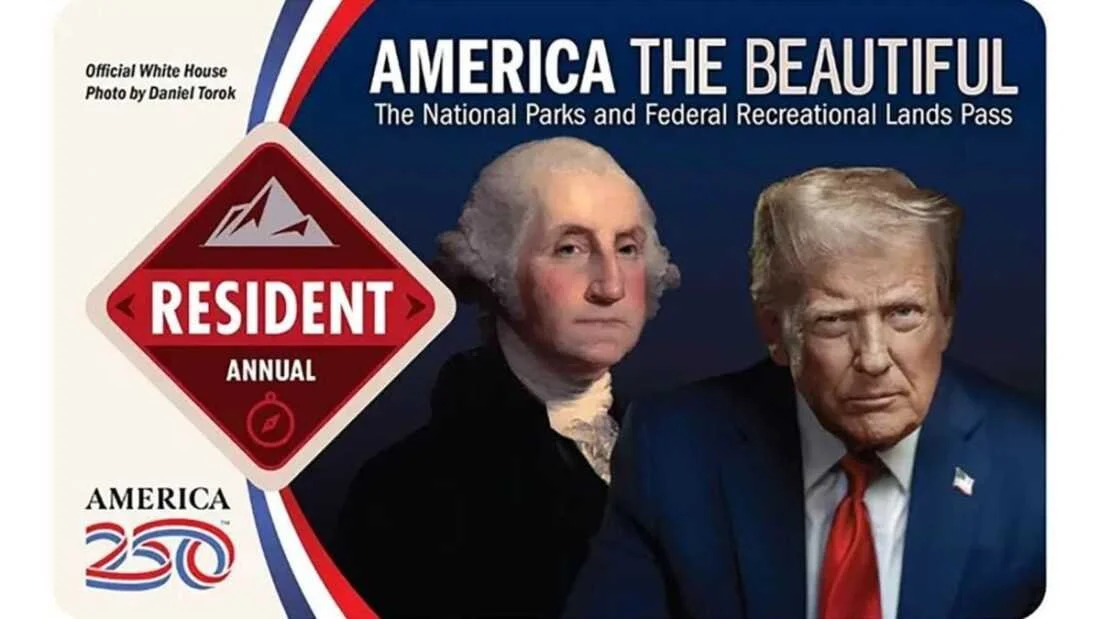
National Park Pass — The America the Beautiful Annual Pass costs $80 and provides access to more than 2,000 federal recreation sites, including national parks, monuments, forests, and wildlife refuges. The pass is valid for 12 months and covers entrance fees for one vehicle and its passengers at parks that charge per vehicle, making it an excellent value for families who enjoy visiting multiple parks throughout the year.
If you plan to visit three or more fee-charging national parks in a year, the annual pass will often pay for itself. Travelers visiting only one park may be better off purchasing a standard park entrance pass, while seniors, military members, individuals with disabilities, and fourth-grade students may qualify for discounted or free pass options. You can purchase a pass online or at many national parks and federal recreation sites.
Whenever possible, we recommend purchasing your pass in person at a national park. Not only can you start using it immediately, but more of your purchase stays within the National Park Service. You'll avoid shipping fees, support park operations and visitor services, and have the opportunity to connect with park staff who can provide maps, recommendations, and current park conditions before you begin your adventure.
Driver's License / ID — A valid driver's license or government-issued ID is essential for any national park trip. You'll need it for driving, checking into accommodations, renting equipment, and in some cases verifying the ownership of your national park pass.
Passport (If Applicable) — While most U.S. national parks do not require a passport, it is important if your trip includes travel to Alaska through Canada or visits to international destinations. Always check entry requirements before your trip and ensure your passport is valid well beyond your travel dates.
Travel Itinerary — Having a travel itinerary keeps everyone on the same page and helps your trip run smoothly. Include lodging information, planned activities, park reservations, and important contact information so you can quickly reference details throughout your adventure. If planning all the details feels overwhelming, Memories for Miles can create a customized itinerary tailored to your family's interests, travel style, and destination, helping you make the most of your national park adventure.
Reservation Confirmations — Many national parks now require advance reservations for lodging, campgrounds, timed entries, tours, and popular attractions. Keeping copies of your reservation confirmations—either printed or downloaded to your phone—can save time and prevent unnecessary stress when cell service is limited.
Printed Park Maps — While GPS and mobile apps are helpful, many national parks have little to no cell service. A printed park map provides reliable navigation, helps you identify trailheads and points of interest, and can be invaluable in an emergency. Maps can typically be picked up at the park entrance station or visitor center upon arrival.
Our family always makes a stop at the visitor center to grab a map and chat with a park ranger before heading out. Rangers can provide current trail conditions, wildlife activity updates, and recommendations for hikes based on your family's interests and ability levels. We've discovered some of our favorite trails simply by asking a ranger, "If you only had one day in the park, where would you go?"
Portable Charger / Power Bank — Between taking photos, using navigation apps, checking trail information, and staying connected with your group, phone batteries can drain quickly. A portable charger ensures your devices stay powered throughout the day, especially during long hikes or scenic drives. We have linked the portable charger we have used on numerous trips!
Phone Charging Cables — A portable charger is only useful if you have the right cable to connect your devices. We always pack these extra charging cables in both our vehicle and daypacks to keep phones, cameras, and other electronics ready for the next adventure. One thing we have learned while traveling, is you can never have too many charging cables.
Hiking Essentials
The items you'll likely carry on every trail.
Hiking Boots / Shoes — Your footwear can make or break your hiking experience. A quality pair of hiking shoes or boots provides traction, support, and comfort across a variety of trail conditions. We recommend choosing footwear that matches the type of hiking you plan to do and breaking them in before your trip.
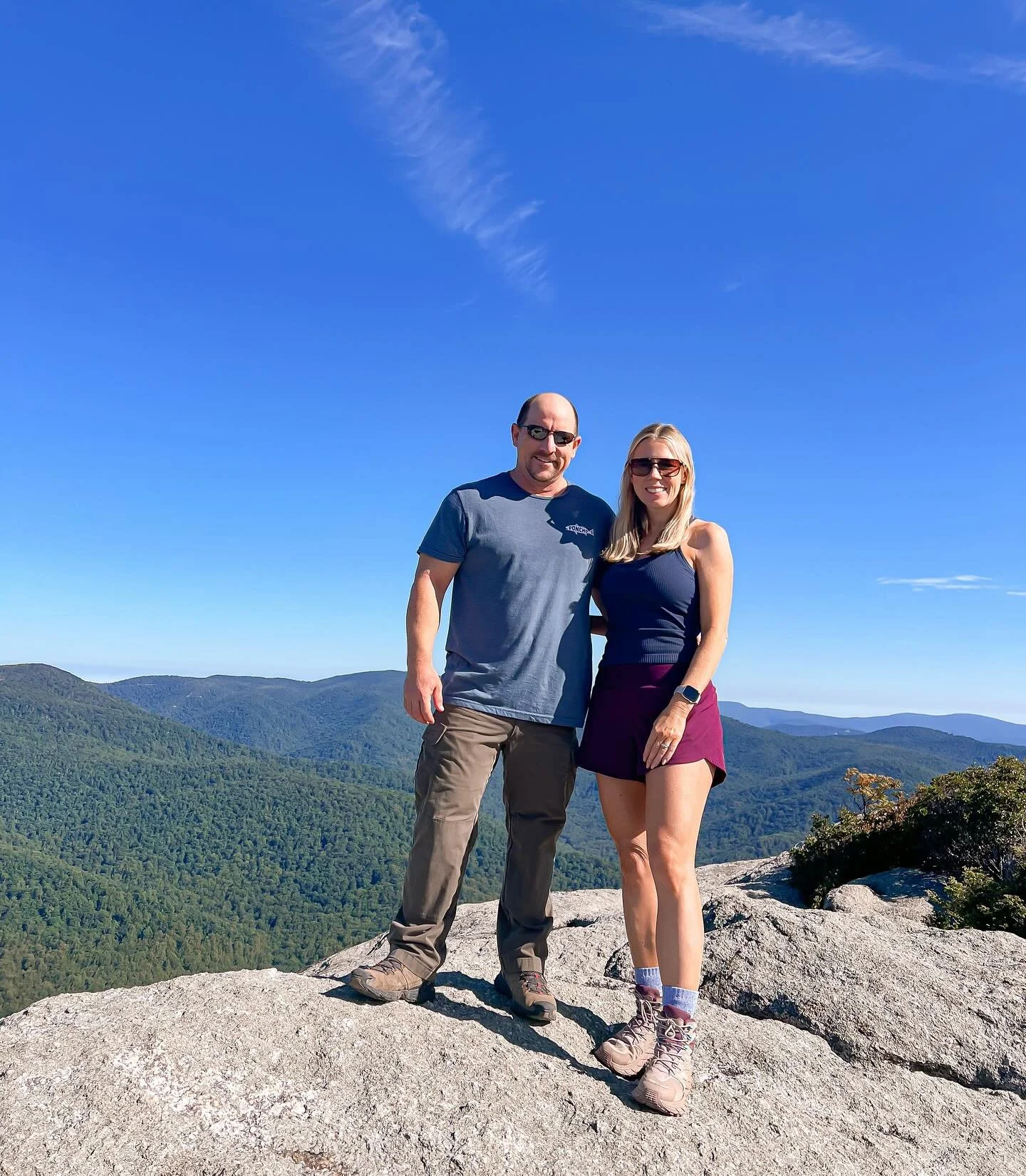
Jeff and I each have our own personal favorites when it comes to hiking footwear. Jeff swears by the La Sportiva Ultra Raptors for their grip, durability, and performance on rugged trails. As for me, I'm a total Hoka girl and have been incredibly impressed with their hiking boots. They're Anacapa 2 Mid GTX are lightweight, supportive, comfortable right out of the box, and come in some of the cutest colors. No matter which brand you choose, investing in quality footwear is one of the best decisions you can make for your national park adventures.
Hiking Socks — Never underestimate the importance of good hiking socks. Moisture-wicking socks help prevent blisters, keep your feet comfortable, and can make a huge difference on longer hikes. We consider quality hiking socks just as important as the shoes themselves.
Backpack / Daypack — A comfortable backpack or daypack is one of the most important pieces of gear you'll bring to a national park. It allows you to carry water, snacks, extra layers, safety equipment, and other essentials while keeping your hands free on the trail. We look for packs that are lightweight, comfortable, and have plenty of storage for a full day of exploring. Jeff and I definitely have different preferences when it comes to backpacks. Jeff prefers a larger pack with extra storage for carrying gear, layers, and all the "just in case" items. I tend to gravitate toward lighter, more streamlined daypacks that are comfortable for long hikes and don't feel bulky on the trail. My go-to backpack brand has always been Gregory’s Miko edition! The good news is there's no one-size-fits-all solution. Finding a pack that fits your body comfortably and works for your hiking style is what matters most.
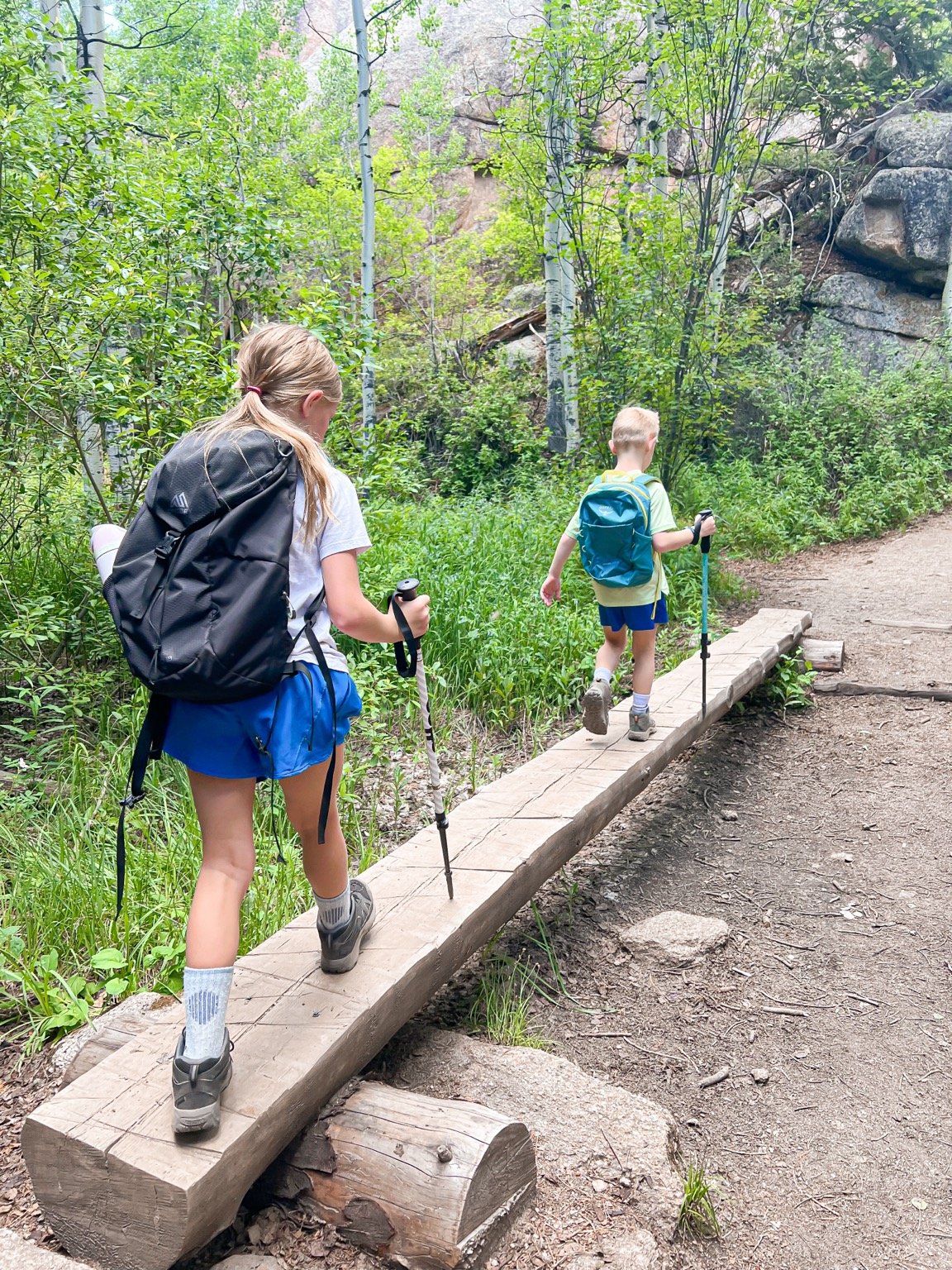
As our kids have grown, we've also found that giving them their own backpacks helps build independence on the trail. Even when they were young, they loved carrying their own water, snacks, binoculars, and junior ranger booklets. When they were first starting out, we outfitted them with CamelBak Mini M.U.L.E. packs, which were the perfect size for little hikers and encouraged them to take ownership of their own gear.
As they've grown, their gear has grown with them. This past summer, we upgraded both kids to larger backpacks that fit their bodies and hiking needs better. Our daughter now hikes with a Gregory Arrio 24 Pack, while our son is currently using an Osprey HydraJet backpack. Both have been great options for giving them a little more storage, better support, and a comfortable fit for longer days on the trail.
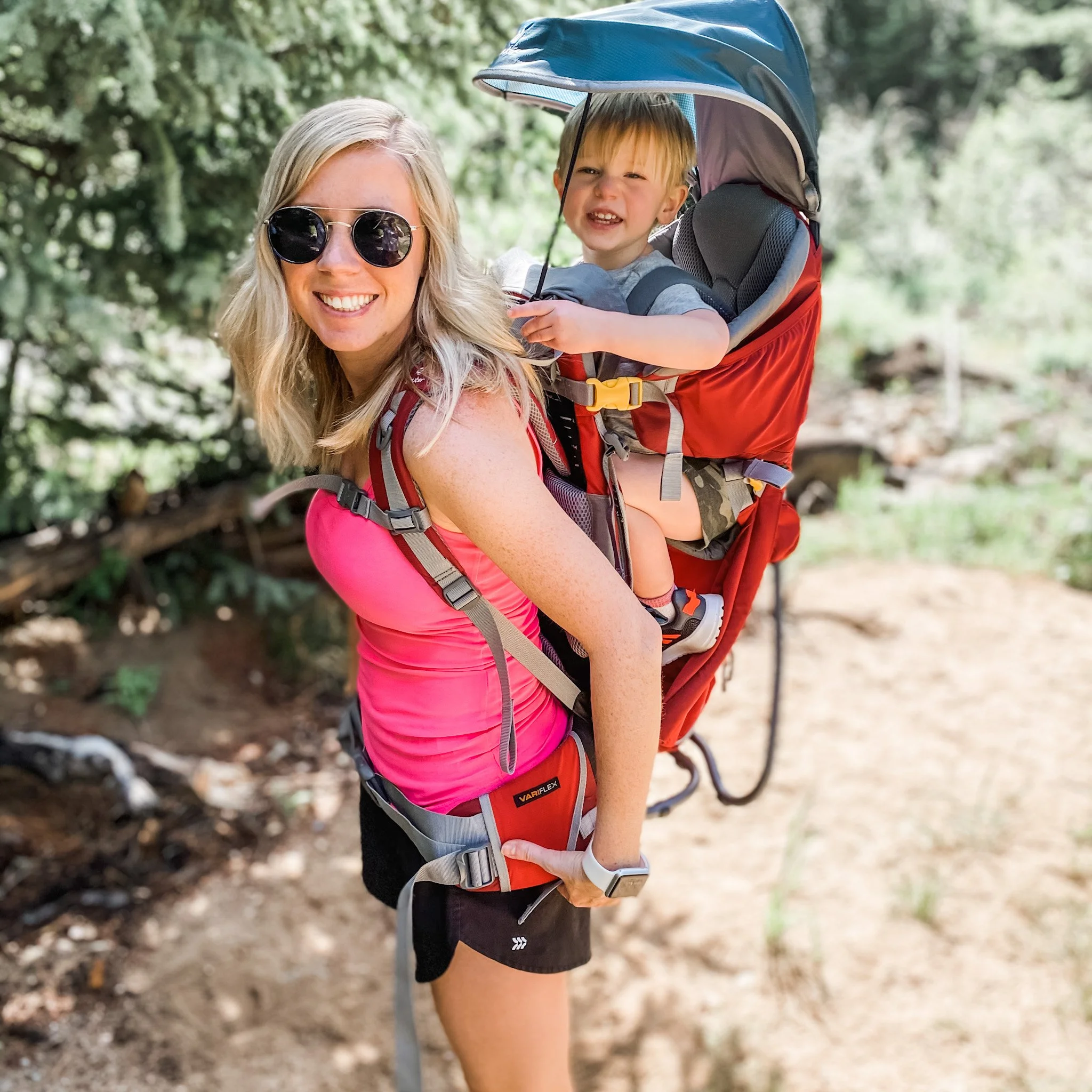
Deuter Kid Comfort Child Carrier Backpack — While our kids have long since outgrown this backpack, we would be remiss if we didn't include it on this list. The Deuter Kid Comfort Child Carrier was one of the best investments we made during our early national park adventures and allowed us to continue exploring trails that would have otherwise been difficult with young children.
One of our favorite features was the built-in sunshade, which provided excellent protection during long days on exposed trails. The carrier was comfortable for both the parent carrying it and the child riding in it, and it gave our kids a safe place to rest when little legs got tired. More than once, our kids happily took a nap while we continued hiking to a viewpoint or completed a longer trail.
If you have toddlers or young children and want to continue hiking while they're still building endurance, we cannot recommend this carrier enough. It helped us create some incredible family memories in national parks across the country and made it possible to keep adventuring without feeling limited by age or distance.
Over the years, we've learned that some of the most important items in our packs aren't necessarily the most exciting ones. These are the pieces of gear that help keep our family comfortable, prepared, and safe while exploring some of America's most incredible places.
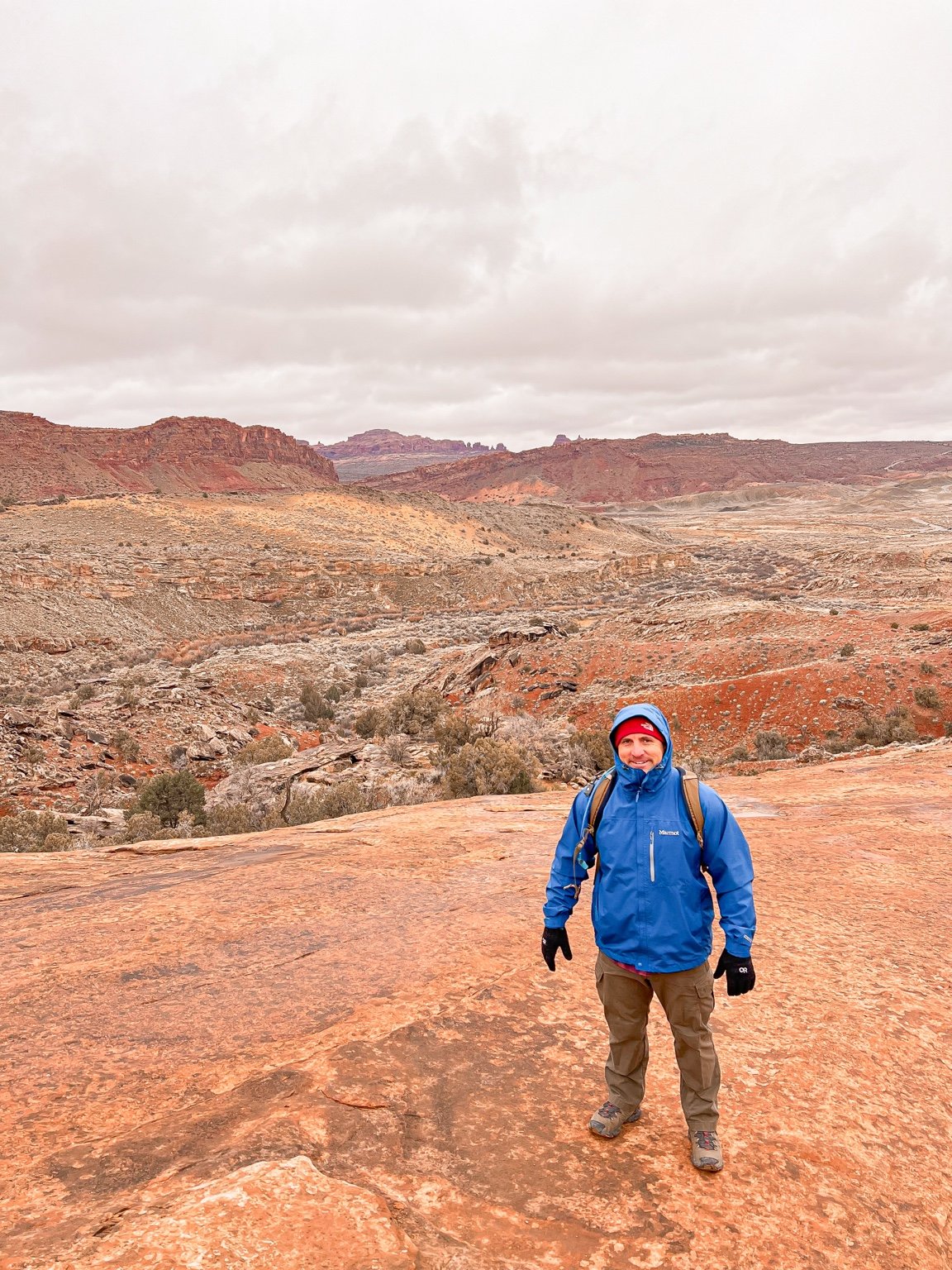
Rain Jacket — If there's one thing we've learned from visiting more than 35 national parks, it's that weather forecasts don't always tell the whole story. Mountain weather can change quickly, and afternoon thunderstorms are common in many parks. A lightweight rain jacket takes up very little space in your pack but can make a huge difference when conditions change unexpectedly.
Jeff never heads into the mountains without a rain jacket and has become a big fan of the Marmot PreCip Rain Jacket. It's lightweight, packable, waterproof, and easy to throw in a backpack without taking up much space. Whether we're hiking through afternoon storms in the Rockies or dealing with unpredictable weather in the Pacific Northwest, it's become one of his go-to pieces of gear.
Emergency Messenger — Many of our favorite hikes take us well beyond cell service. An emergency messenger provides peace of mind by allowing you to communicate with family, share your location, and contact emergency services if needed. While we hope to never use it in an emergency, it's one of those items we're incredibly thankful to have when venturing into remote areas.
First Aid Kit — A compact first aid kit is a non-negotiable item in our backpacks. From blisters and scraped knees to minor cuts and headaches, having basic medical supplies readily available can make all the difference when you're miles from the nearest visitor center or trailhead.
Water Filtration System — For longer hikes or backcountry adventures, a water filtration system provides an additional layer of safety and flexibility. Even if you plan to carry plenty of water, having a reliable way to filter water can be invaluable if plans change or you find yourself needing more hydration than expected.
Reusable Water Bottles — Staying hydrated is critical when exploring national parks, especially at higher elevations or in warmer climates. A durable reusable water bottle helps reduce waste and makes it easy to refill throughout your trip. Every member of our family carries their own water bottle on every hike.
Hydration Packs — For longer hikes, hydration packs make drinking water easy without having to stop and pull out a water bottle. They're especially helpful for kids and on trails where frequent hydration is important. We often use hydration packs on full-day hikes and in parks with warmer temperatures.
Trail Snacks — National park adventures almost always take longer than expected—in the best way possible. Packing plenty of trail snacks helps keep energy levels up and prevents those mid-hike meltdowns that can happen with both kids and adults. We always carry a variety of protein-packed and easy-to-eat snacks in our daypacks.
Electrolyte Packets — Water is important, but electrolytes can be just as valuable on long hikes or hot days. Electrolyte packets help replace minerals lost through sweat and can improve hydration, energy levels, and recovery after a day on the trail.
Flashlight / Headlamp — Whether you're catching a sunrise, staying out for sunset, or simply experiencing an unexpected delay on the trail, a flashlight or headlamp is a must-have safety item. We prefer headlamps because they keep both hands free when hiking or setting up camp.
Trekking Poles — Trekking poles can provide extra stability on steep climbs, rocky terrain, stream crossings, and long descents. They help reduce strain on your knees and improve balance, especially when carrying a heavier pack. Once we started using them on longer hikes, they quickly became a staple in our gear collection.
Outdoor Essentials
Other National Park Essentials We Never Leave Behind
I’ll also be honest, sometimes Jeff likes to use the water filtration system simply because he thinks it's cool. There's something satisfying about filtering water directly from a mountain stream and turning it into safe drinking water. While we always carry plenty of water, it's a fun piece of gear that adds a little extra adventure to the experience while also serving an important safety purpose.
Sunscreen — Sun protection is important in every national park, but especially at higher elevations where UV exposure can be stronger than many visitors realize. We always apply sunscreen before hitting the trail and carry extra for reapplication throughout the day.
My personal favorite for both myself and the kids is Supergoop!. As a mom, I love that it feels lightweight, blends in easily, and doesn't leave behind the thick, greasy residue that so many sunscreens do. The kids don't complain when it's time to put it on, which is a huge win, and I appreciate that it provides broad-spectrum protection while still feeling comfortable during long days of hiking, sightseeing, and outdoor adventures.
Binoculars — Some of our most memorable national park experiences have involved spotting wildlife from a distance. Whether you're looking for bears in Yellowstone, mountain goats in Glacier, or bighorn sheep in the Rockies, a quality pair of binoculars allows you to safely observe wildlife while enhancing your overall park experience.
Bear Spray (When Visiting Bear Country) — If you're visiting parks where bears are present, such as Yellowstone, Glacier, Grand Teton, or Denali, bear spray is an important safety tool. Always review park-specific recommendations and know how to properly carry and use bear spray before heading out on the trail. While encounters are rare, being prepared is part of responsible hiking in bear country.
**One important thing to know: bear spray is not allowed on commercial flights, including both carry-on and checked luggage. If you're flying to your national park destination, plan to purchase bear spray after you arrive. Most gateway towns near popular bear-country parks sell bear spray, and many visitor centers, outdoor retailers, and local outfitters carry it. We always recommend checking availability ahead of time so it's one less thing to worry about when you arrive.
Final Thoughts
Other National Park Essentials We Never Leave Behind
After visiting more than half of the US National Parks as a family, we've learned that the best gear isn't necessarily the most expensive, but it's the gear that helps you stay safe, comfortable, and focused on making memories. Over the years, we've refined our packing list through plenty of trial and error, and the products featured here are items we personally use, trust, and recommend to fellow travelers.
Whether you're planning your very first national park adventure or working toward visiting all 63 parks, we hope this guide helps you feel more prepared and confident for your next trip. The right equipment won't guarantee a perfect adventure, but it can certainly make exploring America's incredible public lands a little easier and a lot more enjoyable.
If planning your national park itinerary feels overwhelming, we'd love to help. At Memories for Miles, we specialize in helping families create unforgettable adventures through customized travel planning, personalized itineraries, and recommendations tailored to your family's travel style.
Affiliate Disclosure
Some of the links on this page are affiliate links. This means that if you click through and make a purchase, we may earn a small commission at no additional cost to you. We only recommend products that we personally use, have used in the past, or would confidently recommend to our own family and friends.
Your support through these links helps us continue creating free travel content, sharing family travel tips, and inspiring others to get out and explore the incredible destinations our world has to offer. Thank you for supporting Memories for Miles!